-.png?w=292&h=156)
Why Is My Car Bouncing After Hitting a Bump?
Introduction
Experiencing excessive bouncing after hitting a bump is one of the most common suspension issues drivers notice. A car should absorb bumps smoothly, keeping the tires in contact with the road for stability and safety.
When your vehicle bounces more than usual, it not only affects ride comfort but can also impact handling and braking performance.
In this article, we’ll explain why your car may bounce after hitting a bump, how to identify the problem, and what steps you can take to fix it.
1. Worn Shock Absorbers or Struts
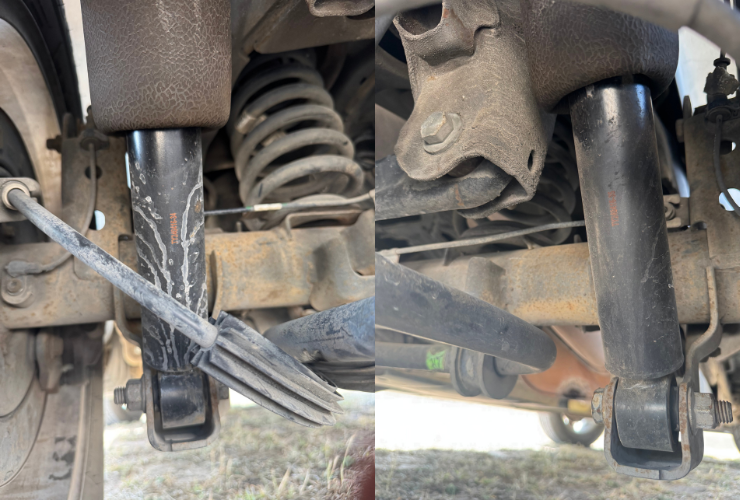
The most common cause of excessive bouncing is worn shock absorbers or struts.
Shocks and struts control the vertical movement of your suspension. When they wear out:
- The vehicle may bounce multiple times after a bump
- Handling becomes less stable
- Tire contact with the road is reduced
Signs your shocks or struts are worn:
- Car continues bouncing after hitting speed bumps
- Nose dives when braking
- Uneven tire wear
2. Broken or Weak Suspension Springs
Springs support the weight of your vehicle and work with shocks to absorb bumps.
If your springs are broken, sagging, or weak, the car may bounce excessively after road imperfections.
Signs of spring problems:
- Vehicle sits lower on one side
- Noticeable bounce over small bumps
- Noises when driving over uneven roads
Springs wear slowly, but when combined with old shocks, bouncing becomes much worse.
3. Overloaded Vehicle
Carrying too much weight can also make your vehicle bounce more than usual.
- Extra cargo or heavy towing increases suspension stress
- Springs compress more, reducing shock absorber effectiveness
- The car may bounce excessively after bumps
Always check your vehicle’s maximum load rating, especially when towing or carrying heavy equipment.
4. Tire Issues
Believe it or not, tires can contribute to bouncing.
- Underinflated or worn tires reduce absorption
- Uneven tire wear or cupping makes the ride rough
- Mismatched tires on the same axle can amplify bouncing
Tip: Check tire pressure, rotate tires, and replace worn tires to improve ride quality.
5. Damaged Suspension Bushings
Suspension bushings reduce friction between suspension components. When they wear out:
- The suspension can move too freely
- Vehicle feels bouncy or unstable
- Steering response may decrease
Bushings are often overlooked, but worn bushings can significantly impact ride comfort.
6. Advanced Suspension Systems (Magnetic Ride / Air Suspension)
If your car is equipped with Magnetic Ride Control (MagneRide) or Air Suspension, excessive bouncing may indicate:
- Failing dampers or air struts
- Low air pressure in air springs
- Malfunctioning suspension sensors
Vehicles with these systems may show warning lights when the suspension isn’t working properly. Regular maintenance is key.
7. Worn Steering or Alignment Issues
Misaligned wheels or worn steering components can make your car bounce or feel unstable:
- Vehicle may pull to one side over bumps
- Tires may wear unevenly
- Steering may feel loose
Regular wheel alignment and steering inspections can help reduce bounce and improve handling.
How to Fix a Bouncy Ride
1. Replace Worn Shocks or Struts
Most vehicles require replacement every 50,000–80,000 miles, depending on driving conditions. Always replace in pairs for consistent performance.
2. Inspect and Replace Springs if Needed
Check for sagging, cracks, or breaks. Weak springs should be replaced promptly.
3. Check Tire Pressure and Condition
Properly inflated tires with even tread improve ride quality and reduce bouncing.
4. Inspect Bushings and Steering Components
Replace worn bushings, tie rods, or ball joints to restore stability.
5. Check Advanced Suspension Systems
If equipped with MagneRide or air suspension:
- Verify air pressure
- Inspect dampers and sensors
- Follow manufacturer’s service recommendations
FAQ
Why does my car bounce more after hitting bumps?
Common causes include worn shock absorbers, weak springs, tire issues, overloaded vehicle, and worn suspension bushings.
Can I drive with a bouncy car?
Yes, but it reduces handling and braking performance. Excessive bouncing can lead to uneven tire wear and suspension damage.
How do I stop my car from bouncing?
Inspect shocks, struts, springs, tires, and bushings. Replace worn components and ensure proper tire pressure.
Conclusion
A car that bounces excessively after hitting bumps is usually a warning sign that suspension components need attention.
Whether it’s worn shocks, weak springs, tire issues, or advanced suspension failure, addressing the problem early will improve:
- Ride comfort
- Vehicle stability
- Braking performance
If you’re unsure which parts fit your vehicle, contact us with your VIN and we’ll help confirm the correct shock absorbers or suspension parts for your car. Email us at info@luft-meister.com.