

WHAT IS A CATALYTIC CONVERTER AND WHAT DOES IT DO?
Your car's exhaust system comprises various components designed to dampen engine noise and minimize emissions. Among these, the catalytic converter holds significant importance in reducing emissions. Explore the function of a catalytic converter, its purpose, and indicators suggesting that servicing or replacing the catalytic converter may be necessary.
1. What is a Catalytic Converter?
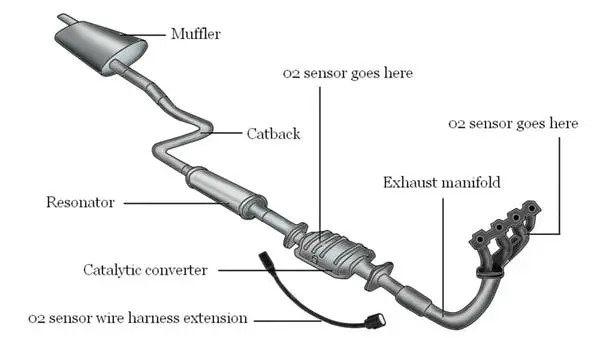
The catalytic converter is an exhaust after-treatment device installed in automobile exhaust systems, primarily aimed at reducing harmful gas emissions from vehicle exhausts.
It functions by oxidizing and reducing reactions, converting harmful gases such as carbon monoxide (CO), hydrocarbons (HC), and nitrogen oxides (NOx) in vehicle exhaust into harmless compounds like carbon dioxide, water, and nitrogen. Inside the catalytic converter, there is typically a porous ceramic substrate coated with a layer of precious metals such as platinum, rhodium, palladium, and rare earth elements. These materials increase the activity of harmful gases in the exhaust, promoting oxidation-reduction chemical reactions. Due to its ability to simultaneously purify three major pollutants in exhaust gas, it is known as a catalytic converter.

2. Why is it necessary to replace the catalytic converter?
The primary function of catalytic converters is to transform harmful pollutants emitted by the engine into less harmful substances before they are released into the atmosphere. Through oxidation and reduction reactions facilitated by the catalytic coating, catalytic converters play a pivotal role in mitigating air pollution and improving air quality.
3. When should the catalytic converter be replaced??
▶︎ Physical Damage: If the catalytic converter sustains physical damage, such as dents, cracks, or corrosion, it may no longer function effectively and require replacement.
▶︎ Clogging: Over time, the catalytic converter can become clogged with debris, carbon buildup, or other contaminants, restricting exhaust flow and reducing its efficiency. In such cases, replacement may be necessary to restore proper function.
▶︎ Failure to Pass Emissions Tests: If a vehicle fails emissions tests due to high levels of pollutants in the exhaust, it may indicate a malfunctioning catalytic converter that needs replacement.
▶︎ Check Engine Light: The vehicle's onboard diagnostic system may detect issues with the catalytic converter and trigger the Check Engine Light. This could be a sign of catalytic converter failure and may necessitate replacement.
▶︎ Reduced Performance: A failing catalytic converter can lead to reduced engine performance, including decreased power, sluggish acceleration, or poor fuel economy. If these symptoms are observed and other potential causes are ruled out, replacing the catalytic converter may be necessary.
4. Recommending Luftmeister Catalytic Converters:
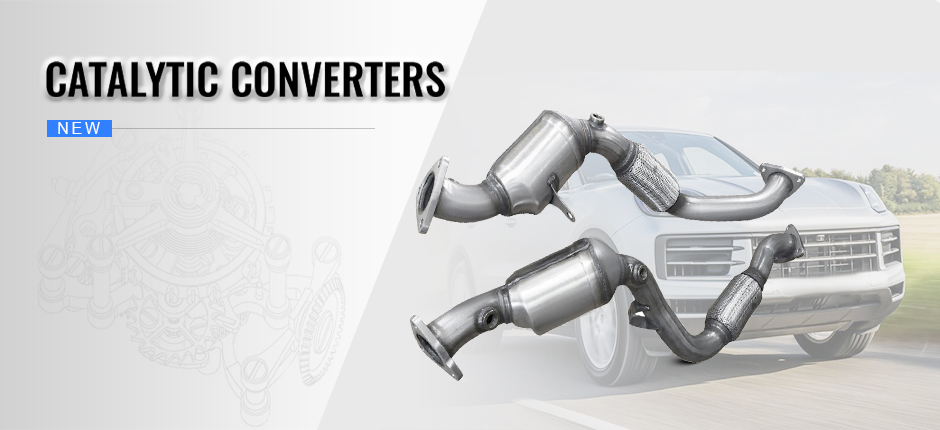
Luftmeister is a reputable manufacturer known for producing high-quality automotive components, including catalytic converters. Their products are engineered to meet stringent emission standards and undergo rigorous testing to ensure durability and performance. Choosing Luftmeister catalytic converters not only ensures compliance with environmental regulations but also contributes to better air quality and vehicle efficiency.
Conclusion:
Catalytic converters are indispensable in the effort to reduce vehicle emissions and combat air pollution. Understanding their function, maintenance needs, and replacement indicators is essential for vehicle owners and environmental conservation. By opting for reputable brands like Luftmeister, drivers can uphold emission standards while promoting sustainable transportation practices.