-.png?w=292&h=156)
What Causes Clunking Noise From Suspension?
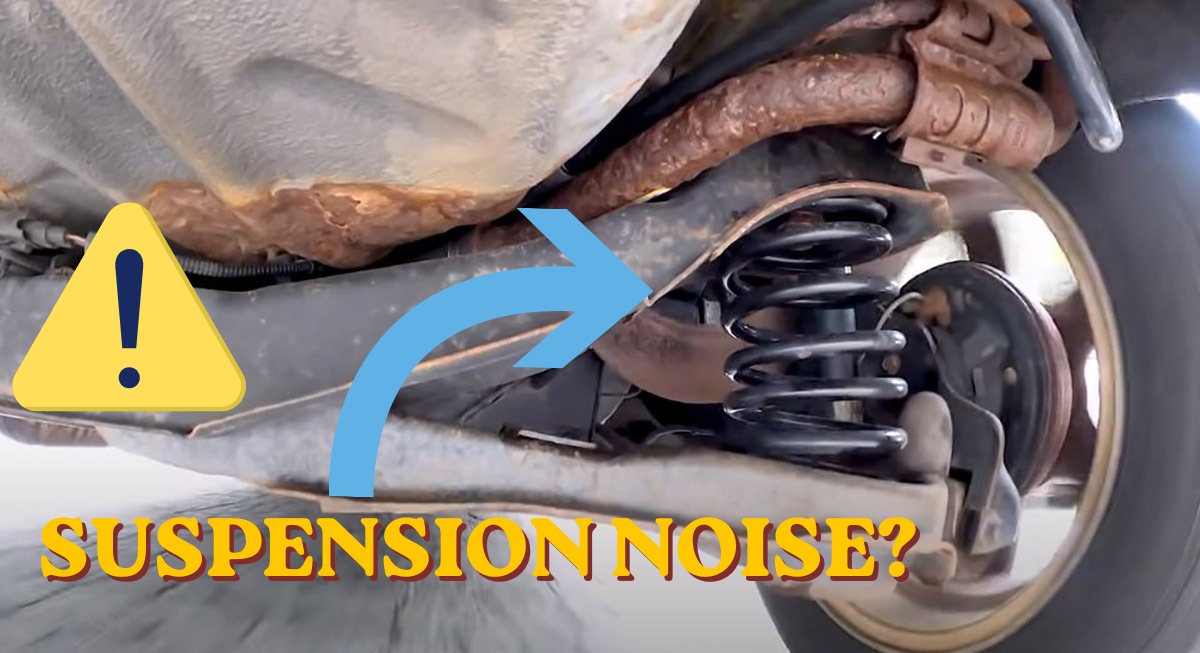
Introduction
A clunking noise coming from your suspension is one of the most common warning signs of worn or damaged components.
If you hear a knocking or clunking sound when driving over bumps, potholes, or uneven roads, it usually means that something in your suspension system is loose, worn, or failing.
Ignoring these noises can lead to further damage, reduced driving comfort, and even safety issues.
In this guide, we’ll break down the most common causes of suspension clunking noise and how to identify and fix them.
What Causes Clunking Noise From Suspension?
1. Worn or Loose Shock Absorbers
One of the most common causes of clunking noise is worn or improperly mounted shock absorbers.
Shock absorbers are designed to control suspension movement and keep the vehicle stable. When they wear out or become loose:
- The suspension may move excessively
- Internal components may create knocking sounds
- Mounting points may loosen over time
Common signs:
- Noise when driving over bumps
- Excessive bouncing
- Reduced ride comfort
2. Worn Suspension Bushings
Suspension bushings are rubber components that cushion the joints between metal parts.
Over time, bushings can:
- Crack
- Dry out
- Become loose
When this happens, metal parts may come into contact, causing a clunking or knocking noise.
Symptoms:
- Noise when going over small bumps
- Squeaking or knocking sounds
- Reduced ride comfort
3. Faulty Ball Joints
Ball joints connect the control arms to the steering knuckles and allow smooth movement of the suspension.
When ball joints wear out:
- They develop play (looseness)
- The suspension becomes unstable
- Clunking noise appears when turning or hitting bumps
Warning signs:
- Clunking when turning
- Uneven tire wear
- Loose steering feel
Ball joint failure is serious and should be addressed immediately.
4. Loose or Damaged Sway Bar Links
Sway bar links help stabilize the vehicle during cornering.
When they wear out or become loose:
- The suspension may produce a knocking noise
- The vehicle may feel less stable in turns
Common symptoms:
- Clunking noise at low speeds
- Noise when turning or going over bumps
- Reduced stability
5. Broken or Weak Springs
Suspension springs support the weight of the vehicle and absorb road impacts.
If a spring is:
- Cracked
- Broken
- Sagging
It may cause abnormal movement in the suspension, leading to clunking noises.
You may also notice:
- Uneven ride height
- Vehicle leaning to one side
6. Worn Strut Mounts
Strut mounts connect the suspension struts to the vehicle body.
When they wear out:
- They may allow excessive movement
- Rubber components may deteriorate
- Metal contact may cause knocking sounds
Symptoms:
- Clunking when turning
- Noise over bumps
- Vibration in steering
7. Loose Suspension Components
Sometimes, the issue is simply loose hardware.
Bolts, nuts, or mounting points in the suspension system can loosen over time due to:
- Road vibrations
- Improper installation
- Wear and tear
Loose components can cause:
- Random clunking sounds
- Noise that changes with speed or road conditions
How to Diagnose Suspension Clunking Noise
If you hear clunking sounds, here are a few steps to identify the cause:
1. Listen Carefully
- Does the noise happen over bumps?
- When turning?
- At low or high speed?
2. Inspect the Suspension
Look for:
- Leaking shocks
- Cracked bushings
- Loose components
3. Perform a Bounce Test
Push down on the vehicle and release it:
- If it continues bouncing → shocks may be worn
- If you hear noise → suspension components may be loose
4. Check for Visible Damage
Inspect:
- Springs
- Mounts
- Linkages
Is It Safe to Drive With Clunking Noise?
Driving with suspension noise is not recommended.
While some minor noises may not be immediately dangerous, they can indicate underlying problems that may worsen over time.
Potential risks include:
- Reduced vehicle control
- Increased tire wear
- Suspension failure
It’s best to diagnose and repair the issue as soon as possible.
How to Fix Clunking Noise From Suspension
The solution depends on the root cause:
- Replace worn shock absorbers
- Replace damaged bushings
- Tighten loose components
- Replace faulty ball joints or sway bar links
- Inspect and repair springs or mounts
Timely repairs can restore ride comfort and prevent further damage.
Final Thoughts
A clunking noise from your suspension is often a sign that something is worn, loose, or failing.
Whether it’s shock absorbers, bushings, or other suspension components, identifying the issue early can help maintain vehicle safety and performance.
If you notice persistent clunking sounds, it’s important to inspect your suspension system and replace worn parts as needed.
👉 If you’re unsure which parts fit your vehicle, contact us with your VIN and we’ll help confirm the correct shock absorbers or suspension parts for your car. Email us at info@luft-meister.com.
FAQ
What causes a clunking noise when going over bumps?
Common causes include worn shock absorbers, loose suspension components, damaged bushings, or faulty ball joints.
Is a clunking suspension dangerous?
It can be. Some issues may affect handling and safety, so it’s best to inspect the suspension as soon as possible.
Can bad shocks cause clunking noise?
Yes. Worn or loose shock absorbers can create knocking or clunking sounds, especially when driving over bumps.