-.png?w=292&h=156)
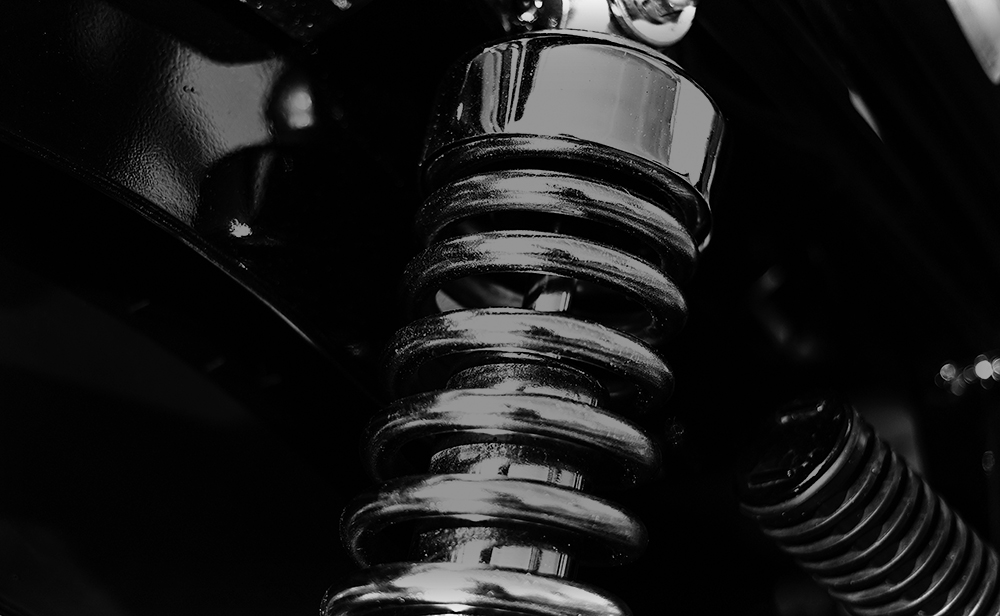
Type of shock absorber
Introduction:
Every time you drive over a pothole, speed bump, or rough road, your vehicle’s suspension system works hard to keep the ride smooth and stable. At the heart of this system are shock absorbers. But did you know there are several different types of shocks, each designed to handle road impacts in its own way? Choosing the right one can make a huge difference in comfort, handling, and safety. In this guide, we’ll explain the most common types of shock absorbers, how they work, and which vehicles benefit from each.
What Are Shock Absorbers and Why Do They Matter?
Every time you drive over a bump, pothole, or uneven surface, your vehicle’s suspension system compresses and rebounds. Shock absorbers are responsible for controlling this motion, preventing excessive bouncing and keeping the tires in contact with the road. Proper shock absorbers improve:
- Ride comfort – smoother experience over rough surfaces
- Vehicle stability – better handling during turns and braking
- Safety – maintaining tire contact with the road
Now, let’s look at the most common types of shock absorbers.
1. Hydraulic Shock Absorbers
Hydraulic (oil-filled) shocks are the most traditional type. They use a piston moving through hydraulic fluid to absorb impact.
Key Benefits:
- Simple and reliable design
- Cost-effective and easy to maintain
Best for: Everyday passenger cars and standard SUVs.
2. Pneumatic Shock Absorbers
Pneumatic shocks use compressed gas, usually air, to provide a smoother ride. The piston moves through the gas, absorbing road bumps effectively.
Advantages:
- Softer and more comfortable ride
- Adjustable damping by changing air pressure
Ideal for: Light commercial vehicles or cars that require adjustable suspension for comfort.
3. Coilover Shock Absorbers
Coilovers combine a shock absorber with a coil spring in one unit. Many coilovers are adjustable, allowing changes to ride height and stiffness.
Benefits:
- Improved handling and vehicle stability
- Customizable ride height for performance tuning
Best for: Sports cars, performance vehicles, and high-performance SUVs.
4. Strut Shock Absorbers
Struts integrate the shock absorber and spring into a single unit that also serves as a structural component of the suspension.
Advantages:
- Compact and space-saving
- Stable and consistent ride
Common Use: Front suspension of many passenger cars and SUVs.
5. Air Suspension Shock Absorbers
Air shocks use compressed air to support vehicle weight and absorb road impacts. They allow drivers to adjust ride softness and vehicle height.
Advantages:
- Extremely smooth and comfortable ride
- Adjustable height for off-road or loaded conditions
Best for: Luxury cars, high-end SUVs, and custom vehicles.
6. Magnetic Shock Absorbers
Magnetic, or magnetorheological, shocks use an electromagnetic coil to instantly adjust damping based on road conditions.
Advantages:
- Real-time damping adjustment
- Combines comfort with enhanced handling
Ideal for: High-end cars and vehicles with active suspension systems.
Conclusion
Choosing the right shock absorber is crucial for ride comfort, handling, and safety. From traditional hydraulic shocks to advanced magnetic systems, each type has its advantages. Always consider your vehicle type, driving style, and road conditions when selecting shocks, and invest in quality products for the best performance.